
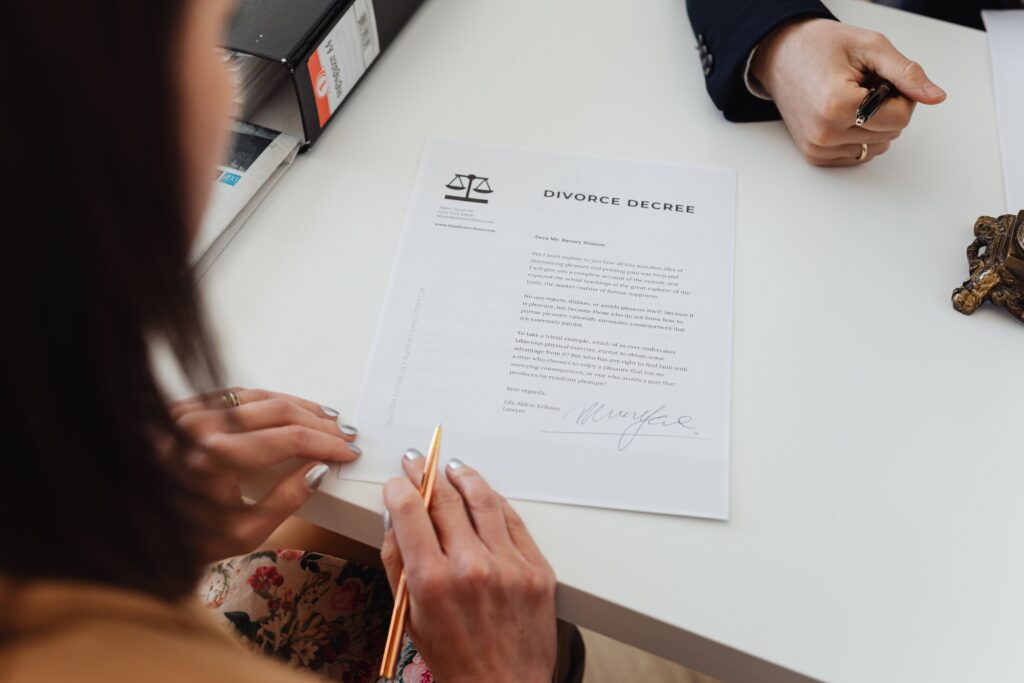
Ending a marriage is never an easy decision. It involves emotional, financial, and legal challenges that can feel overwhelming, especially if you are unfamiliar with the legal system in the UAE. Whether you are a UAE national or an expatriate, understanding the process of divorce in Dubai is the first step toward making informed decisions. The good news is that Dubai has a well-defined legal framework that helps couples resolve family disputes while protecting the rights of both spouses and children.
Recent legal developments have also made the divorce process more structured and transparent. With updated federal laws, the courts now provide clearer procedures for Muslim and non-Muslim residents, ensuring that cases are handled fairly based on the applicable legal framework. While every divorce case is unique, having the right legal guidance can make the journey much smoother. This is why many individuals seek experienced divorce lawyers in Dubai who understand both the legal requirements and the emotional sensitivity involved in family matters.
Understanding Divorce Laws in Dubai
Dubai follows a combination of federal laws and personal status regulations to govern family matters. The legal process differs depending on whether the couple is Muslim or non-Muslim, making it essential to understand which laws apply to your situation.
As of 16 April 2025, Federal Decree-Law No. 41 of 2024 introduced important updates to divorce procedures for Muslim couples. The law simplified court processes, strengthened judicial oversight, and improved case management while encouraging amicable resolutions whenever possible.
For non-Muslim residents, Federal Decree-Law No. 41 of 2022 on Personal Status for Non-Muslims provides a separate legal framework. This allows expatriates greater flexibility, including the option to rely on UAE law or, in certain situations, request the application of their home country’s laws.
Quick Overview of Divorce Laws in Dubai
| Category | Applicable Law |
| Muslim Couples | Federal Decree-Law No. 41 of 2024 and UAE Personal Status Laws |
| Non-Muslim Couples | Federal Decree-Law No. 41 of 2022 |
| Child Custody | Based on the child’s best interests |
| Financial Matters | Determined according to applicable personal status laws |
| Court Jurisdiction | UAE Family Courts |
Understanding which legal framework applies to your circumstances is one of the most important steps before filing for divorce.
Divorce Procedure in Dubai Explained
Although every family situation is different, the divorce process generally follows a structured path. The courts aim to resolve disputes fairly while encouraging peaceful settlements whenever possible.
The process usually begins with filing the case before the competent court. Depending on the circumstances, the supervising judge may refer the parties to the Family Guidance Department if reconciliation appears possible. Certain urgent matters, including temporary maintenance, custody orders, and cases where reconciliation is not practical, may proceed without this referral.
If reconciliation does not succeed or is not appropriate, the matter moves to the court, where both parties present their evidence and legal arguments. The court then decides issues such as divorce, financial obligations, child custody, and related family matters according to the applicable law.
Typical Divorce Process
- Register the divorce application.
- Court reviews the matter.
- Referral to Family Guidance, where applicable.
- Settlement discussions or mediation.
- Court hearings if required.
- Final judgment and enforcement of court orders.
Every case follows its own timeline depending on its complexity, documentation, and whether both spouses agree on the terms of separation.
Step-by-Step Divorce Process in Dubai
While each case has its own circumstances, the legal process usually follows a structured path. Understanding these stages can help you prepare with confidence.
| Step | What Happens |
| Case Registration | The divorce application is filed before the competent judicial authority. |
| Court Review | The court examines the case and decides the next procedural steps. |
| Family Guidance (where applicable) | The judge may refer the matter for reconciliation if an amicable settlement appears possible. |
| Court Proceedings | If reconciliation is unsuccessful, both parties present evidence and legal arguments before the court. |
| Final Judgment | The court issues orders regarding divorce, financial rights, custody, maintenance, and other family matters. |
Although straightforward cases may conclude within a few months, disputes involving children, property, or financial claims can take longer depending on their complexity.
Move Forward with Confidence – Let My Family Lawyer Stand by Your Side
Going through a divorce can feel overwhelming, but you do not have to face it alone. Understanding the legal process, knowing your rights, and receiving timely legal advice can make a significant difference in achieving a fair outcome. Whether your matter involves child custody, financial settlements, mediation, or a contested divorce, having trusted legal professionals by your side provides peace of mind during every stage of the journey.
At My Family Lawyer, we combine legal excellence with genuine compassion. Our dedicated team understands that every family has a different story, which is why we provide personalized solutions instead of one-size-fits-all advice. If you are searching for reliable legal services for divorce in Dubai, experienced divorce lawyers in Dubai, or the best divorce lawyer Dubai residents trust, My Family Lawyer is ready to guide you with professionalism, discretion, and unwavering commitment. Let us help you protect what matters most while working toward a secure future for you and your family.
Frequently Asked Questions
1. How long does a divorce in Dubai usually take?
The duration depends on the complexity of the case. Simple uncontested matters may conclude within a few months, while contested cases involving financial disputes or child custody may take longer.
2. Can non-Muslims file for divorce in Dubai?
Yes. Non-Muslim residents can file for divorce under the UAE legal framework or, in certain cases, request the application of their home country’s laws, subject to the court’s approval.
3. Do I need a lawyer for divorce proceedings?
Although it is legally possible in some situations to proceed without legal representation, working with experienced divorce lawyers in Dubai helps ensure your rights are protected and that legal procedures are followed correctly.
4. What factors determine child custody?
The court primarily considers the child’s best interests, including emotional well-being, stability, education, financial support, and the ability of each parent to provide proper care.
5. How do I choose the best divorce lawyer in Dubai?
Look for a lawyer with extensive experience in UAE family law, a proven track record, transparent communication, and a client-focused approach. Choosing the best divorce lawyer Dubai offers can significantly improve your experience throughout the legal process.